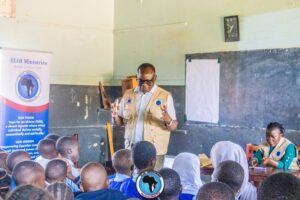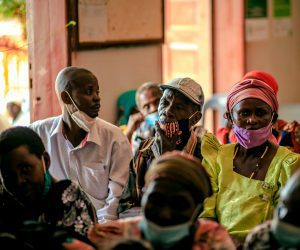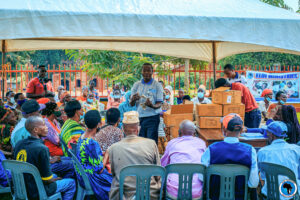

Introduction: The Day the Gates Open Much of our Access to Justice work rightly focuses on the youths, men, and women unlawfully detained in gazetted and ungazetted prisons, remand homes, and police cells without access to free justice. But what happens on the day they are finally released? Freedom is not the end of the journey; it is often the beginning of a highly vulnerable chapter.
The Stigma of Detention When individuals return to their communities after being detained—especially if they were held unlawfully—they carry an invisible burden.
- The Challenge of Re-entry: They face intense social stigma, broken family ties, and severe economic setbacks. Without support, the trauma of incarceration combined with community rejection can push vulnerable youths toward the margins of society.
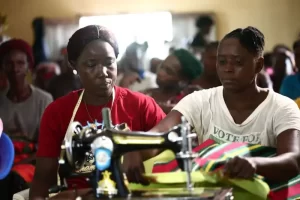
- ELOIM’s Reintegration Strategy: Justice does not stop at the courtroom door. We collaborate with justice systems and community leaders to provide support for reintegration into society. This means aiding youths and adults in finding their footing, ensuring they are treated fairly, and helping them rebuild their lives with dignity.
Conclusion: Restoring the Individual True justice is restorative. By prioritizing inclusiveness in our program monitoring and policy-making, we ensure that those who have survived the trauma of detention are not forgotten once they are free. We stand with them as they reclaim their place in a vibrant, thriving Uganda.