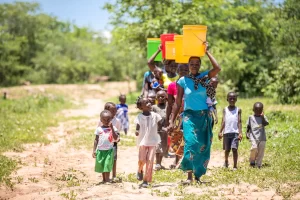
Introduction: The Brown Landscape If you look out the window of our office in Uganda today, the world is brown. The grass is dry. The earth is hard. It is January 30th. The rains have not yet come. In the West, a dry spell is an inconvenience. In rural Uganda, it is a spiritual and physical test. The granaries are getting empty. The price of maize flour in the market is inching up every day.
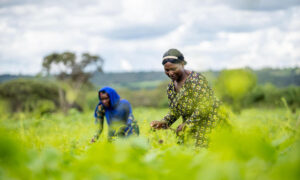
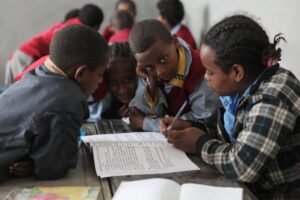
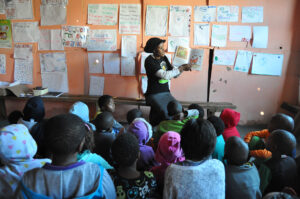
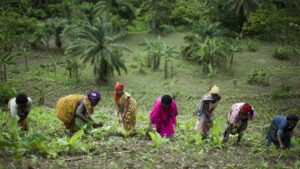
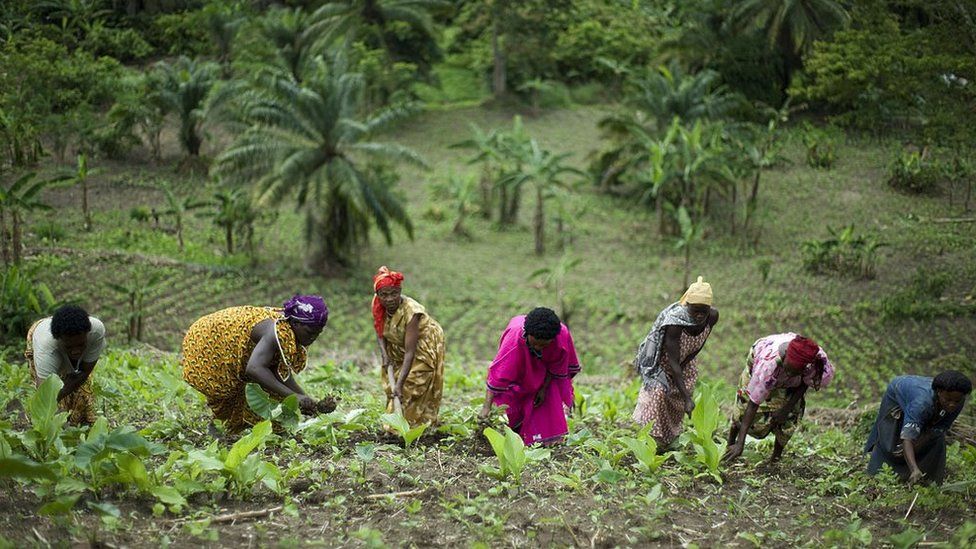
The Work Before the Water Farming requires faith. You must prepare the land before you see the rain. This week, while the children prepare for school, the mothers are in the fields. They are “opening the land”—clearing the dried weeds, breaking the hard clods of soil, and preparing the seedbeds. It is grueling work under the hot sun.
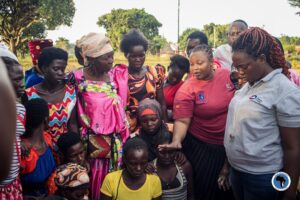
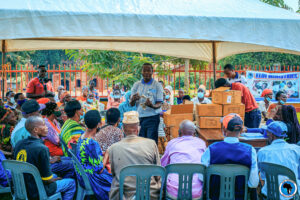
- The ELOIM Seed Bank: We are using this dry window to distribute seeds to our women’s groups. We provide high-quality maize and bean seeds that are drought-resistant. We distribute them now, so that the moment the first drop falls, the seed goes into the ground.
The Spiritual Parallel There is a powerful lesson here for all of us. We teach our community that life is seasonal. Just because it is dry now doesn’t mean it will be dry forever. But if you don’t dig during the drought, you won’t have a harvest after the rain. We encourage our families to “dig their ditches” (2 Kings 3:16)—to do the preparation work even when they don’t see the blessing yet.
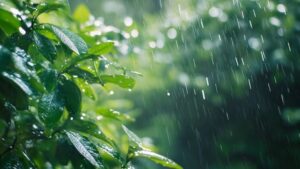
Conclusion: The Promise of March We know the rains are coming (usually in March). This weekend, we stand with the farmers. We stand with the mothers with calloused hands who are breaking the ground. They are the backbone of food security in this nation. We pray for the rain, but we work while we wait.