In many of the communities we work with, survival is often the immediate focus. People are dealing with poverty, illness, displacement, and trauma. But what is often overlooked is what happens after survival. What happens to the mind? What happens to the emotional weight people carry every day?
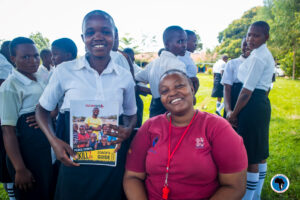
Through our psychosocial support program at ELOI Ministries Uganda, we have come to understand that healing is just as important as meeting physical needs. We have worked with individuals living with HIV, survivors of gender-based violence, and young people navigating difficult home environments. And one thing is clear, many people are carrying silent burdens.
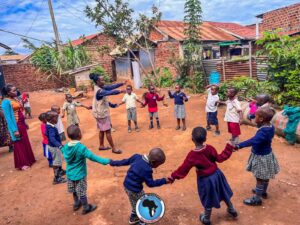
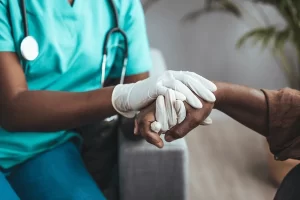
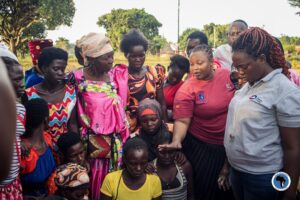
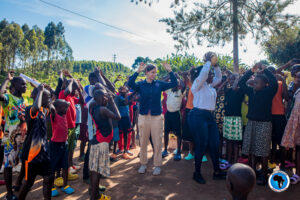
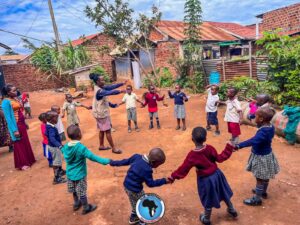
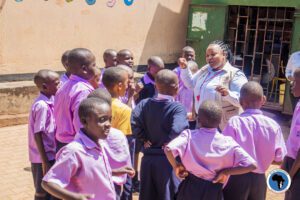
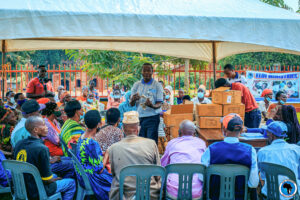
Psychosocial support creates space for people to be heard. It allows individuals to process trauma, reflect on their experiences, and begin to rebuild their sense of self. Sometimes it is through structured counseling sessions. Other times, it is through simple conversations, group sharing, or guided activities that allow expression.
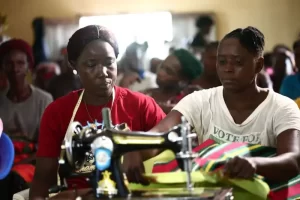
We have seen individuals regain confidence. We have seen people who felt isolated begin to reconnect with their communities. We have seen healing begin. Not instantly, but gradually, and in ways that are deeply meaningful.
What this work continues to teach us is that support must be holistic. It is not enough to provide food, medication, or financial assistance if we ignore emotional and mental wellbeing. True impact happens when people are supported as whole human beings. Psychosocial support is not an extra service. It is essential. Because when people begin to heal internally, they are better able to navigate life, make decisions, and engage with the world around them.