Introduction: The Crime of Poverty Imagine being arrested for “idling.” Imagine being thrown into a crowded cell because you were in the wrong place at the wrong time, and then staying there for months—not because you were found guilty, but because your file was lost, or you couldn’t afford a lawyer to ask for bail. This is the nightmare reality for thousands of Ugandans. In our justice system, poverty is often treated as a crime. The prisons and remand homes are filled with youths and adults who are not hardened criminals, but victims of circumstance and systemic inefficiency.
ELOI Ministries’ Access to Justice program is built on a simple, biblical premise: Justice must not be for sale.
The Crisis of Unlawful Detention In 2026, the backlog in the Ugandan judicial system remains a critical issue. “Remand” is supposed to be a temporary holding period before trial. But for many, remand becomes the sentence itself. We have encountered individuals who have spent longer in jail awaiting trial than they would have served if they had been convicted of the crime. This “justice delayed” destroys lives.
- Economic Ruin: When a father is detained, his family loses their breadwinner. Children drop out of school. The cycle of poverty deepens.
- Trauma: The conditions in overcrowded cells are harsh. Disease is common. The psychological toll of not knowing when, or if, you will be released is shattering.
ELOI’s Intervention: From the Cell to the Courtroom Our work starts in the prisons and police cells. We work with partners to identify those who have fallen through the cracks—the “forgotten prisoners.” Our role is to be the agitator for due process. We ensure that files are found. We ensure that court dates are set. We advocate for bond for minor offenses. We act as the bridge between the detainee and the legal system that has ignored them.
The Hardest Part: Coming Home (Reintegration) Securing a release is a moment of joy, but it is followed by a daunting reality. How do you go back? A person released from prison carries a heavy stigma. They are often rejected by their communities, labeled as criminals even if they were never convicted. They have no money, no tools, and often, no home to return to. This is where ELOIM’s Reintegration Program steps in. We believe that justice is incomplete without restoration.
- Psychosocial Repair: We provide counseling to help them process the anger and shame of their detention.
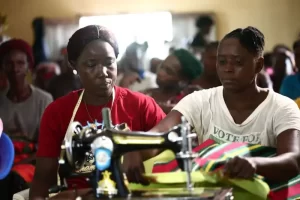
- The Tool of a Trade: We don’t just give handouts; we give hands-on skills. We focus on vocational training that requires minimal capital to start. Soap making. Liquid soap production. Basic tailoring. Bricklaying.
- The “Start-Up” Kit: A skill is useless without tools. We strive to provide the basic materials needed to start—a basin and chemicals for soap, or a trowel for building.
Conclusion: Restoring the Citizen Our vision is to see these young men and women transformed from “inmates” to “entrepreneurs.” We want to see them standing tall in their communities, contributing to the economy, and raising their families in peace. In 2026, let us not turn a blind eye to those behind bars. Let us remember that justice is the foundation of a healthy society. When we fight for the rights of the prisoner, we are fighting for the integrity of our entire nation.