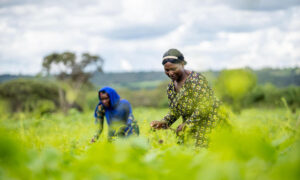
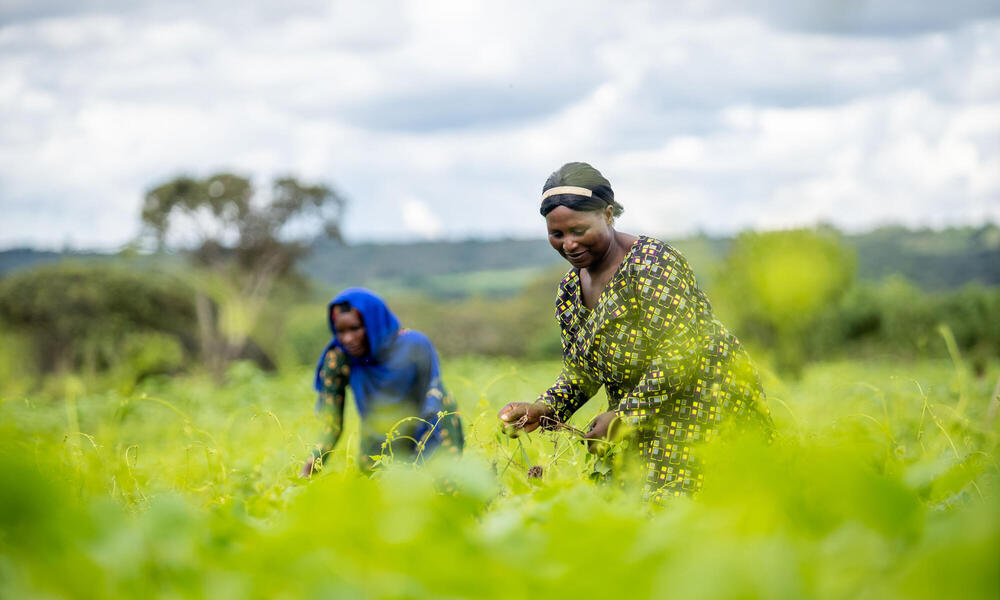
Introduction: The March Rains and the New Reality Historically, March in Uganda marks the beginning of the first major rainy season. Farmers prepare their land, and communities anticipate the life-giving water that sustains vital ecosystems. But in 2026, the sky is no longer predictable. Uganda faces significant climate change challenges, characterized by erratic rainfall and extreme weather events. What was once a reliable seasonal cycle has become a source of anxiety for rural households whose survival depends entirely on the environment.
The Threat to Vital Ecosystems The communities we serve are on the front lines of the climate crisis.
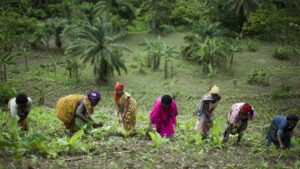
- Agricultural Disruption: Unpredictable rainfall means that crops fail or are washed away by sudden, severe floods. This directly impacts food security, making it harder for families to afford school fees or proper nutrition.
- Environmental Degradation: As weather patterns become extreme, vital ecosystems are degraded, forcing communities to resort to unsustainable practices just to survive the season.
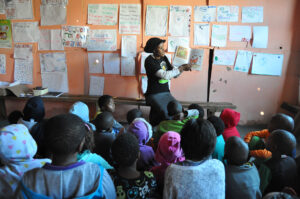
ELOIM’s Mitigation Strategy We cannot separate environmental health from human health or education. We face significant challenges from climate change, necessitating urgent and effective mitigation strategies.
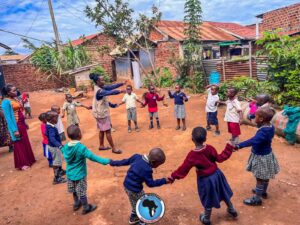
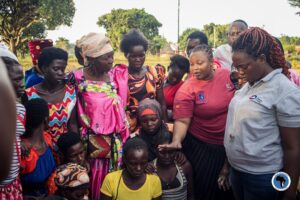
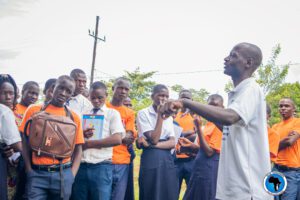
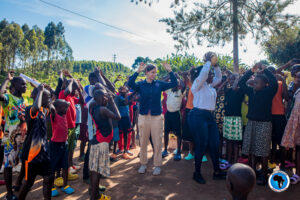
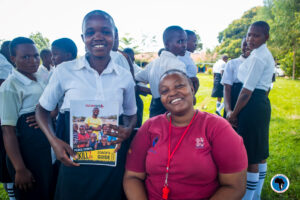
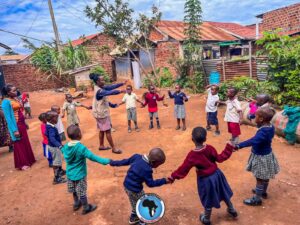
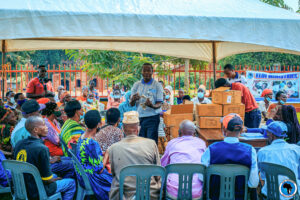
- Promoting Sustainability: Through our community outreach, we work directly with locals to promote sustainability and address the impacts of climate change at the grassroots level.
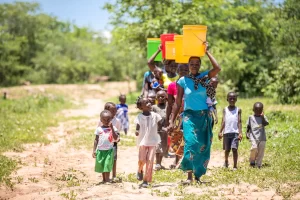
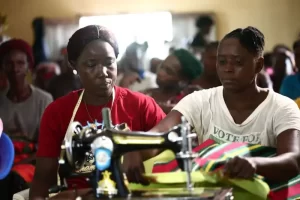
- Community Resilience: We are committed to teaching and implementing strategies that help communities adapt to unpredictable weather, ensuring that an unexpected drought or flood does not completely devastate a family’s livelihood.
Conclusion: Protecting Our Common Home “Hope for an African Child” means ensuring that the land they inherit can sustain them. By partnering with local communities, we are fighting for a vibrant Uganda where every individual thrives not just today, but for generations to come.