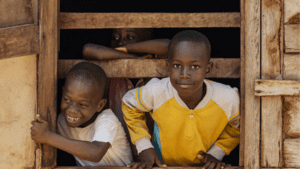
Introduction: The Silence of the Dormitory Schools have been open for two weeks now. The excitement of new uniforms and new shoes has worn off. Now, the reality sets in. For our new Senior One students (S1s) and young boarders, this is the hardest week of the year. It is the week of Homesickness. We have received reports from matrons about children crying at night, refusing to eat, or withdrawing socially. This is not just “being sad”; for a child with a history of trauma or abandonment, separation can trigger deep anxiety.
The “Abandonment” Trigger Many of the children ELOIM supports have already lost parents. When they are sent away to boarding school, even for a good reason (education), their subconscious mind whispers: “They are sending you away because they don’t want you.”
- The Symptoms: Stomach aches, headaches, “fever” with no medical cause. These are physical manifestations of emotional distress.
- The Peer Pressure Trap: Older students often tease the “crybabies.” This forces the grief underground, where it festers.
ELOIM’s Intervention: The “Big Brother/Sister” System We are proactive about this transition.
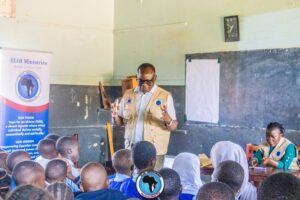
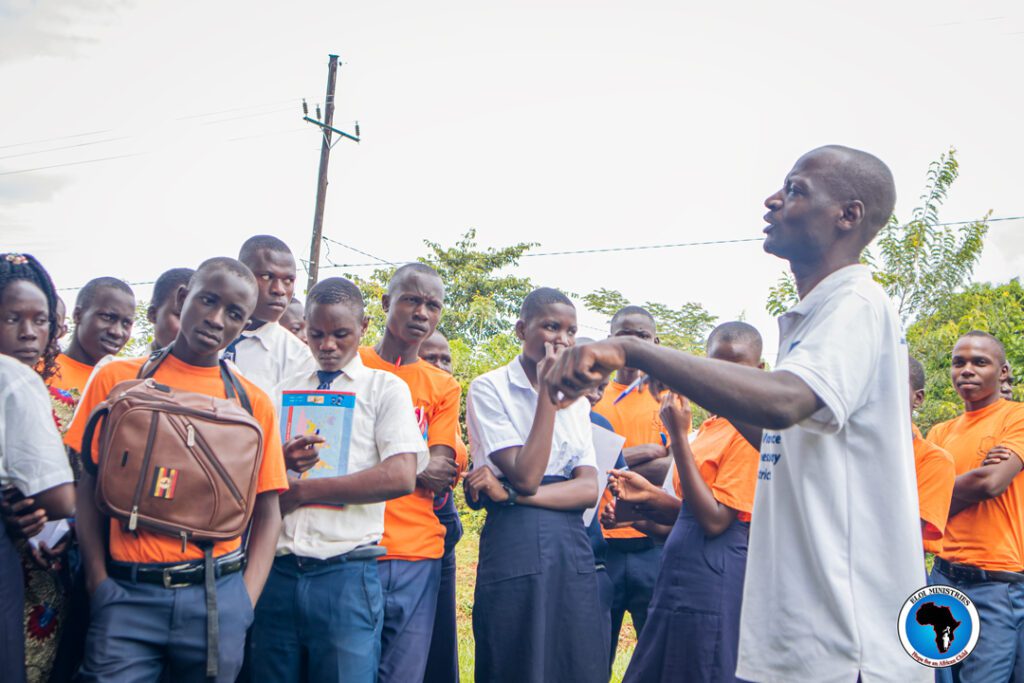
- School Visits: Our social workers are currently doing “spot checks” at our partner schools. We don’t just talk to the headteacher; we sit with our sponsored students. We ask: “How are you sleeping? Who is your friend?”
- Peer Mentorship: We pair our new S1 students with our S3 or S4 students in the same school. The older student acts as a guardian—helping them wash their clothes, showing them the dining hall routine, and protecting them from bullying.
Conclusion: Building Emotional Resilience We tell the guardians: “Do not pull them out because they are crying. Encourage them.” We teach the children that missing home is a sign that they have a home worth missing—and that is a blessing. By helping them navigate this first month, we are teaching them independence. We are turning fearful children into confident young adults who can thrive anywhere.