Introduction: The Orange Haze February is the peak of the dry season in Uganda. The roads in Luweero and Nakaseke are no longer roads; they are rivers of dust. Every boda boda that passes leaves a cloud that hangs in the stagnant air for minutes. This dust is not just a nuisance; it is a Health Hazard. This week, our clinic data shows a sharp spike in Upper Respiratory Tract Infections (URTIs)—coughs, flu, and asthma attacks—among our sponsored children.
The “Double Smoke” Effect Rural lungs are under attack from two sides right now.
- Outside: The ambient dust from the drought.
- Inside: The smoke from cooking fires. In the dry season, people cook inside to escape the heat of the sun, but ventilation is poor. This combination is deadly for children with weak immune systems or existing conditions like HIV.
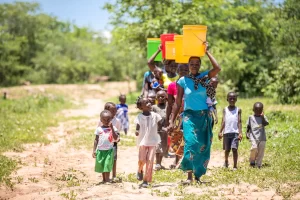
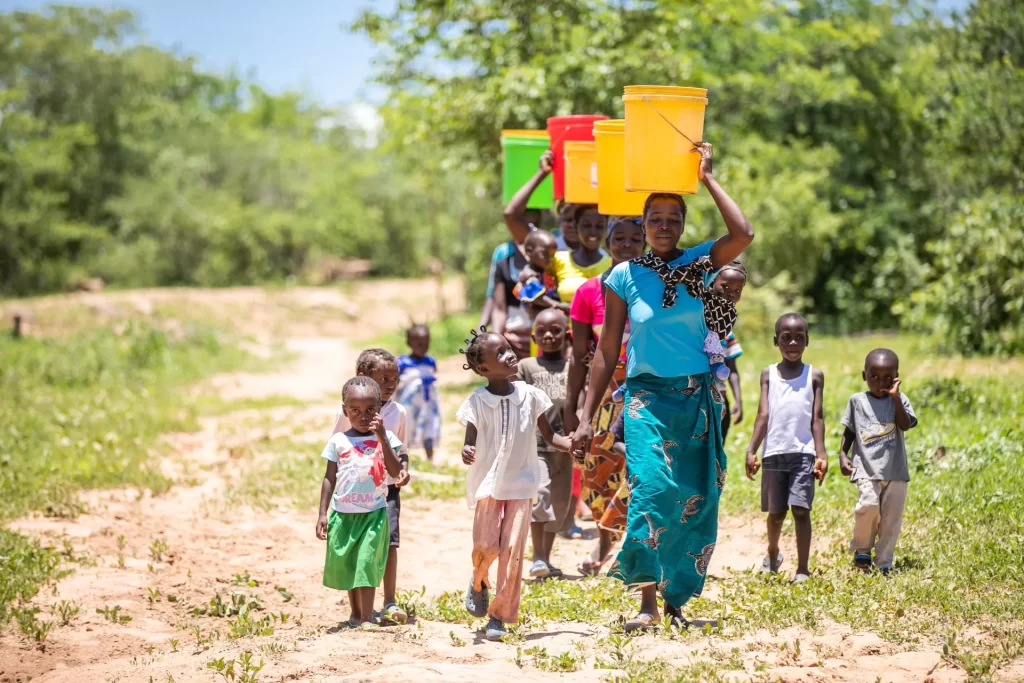
The Water Crisis Ripple Effect The dry season also means water scarcity.
- Hygiene Drops: When water is expensive (200-500 UGX per jerrycan), families stop washing hands. They stop bathing daily.
- The Consequence: We are seeing a rise in Conjunctivitis (Red Eye) and Scabies. Dust + Sweat + Lack of Washing creates the perfect breeding ground for bacteria.
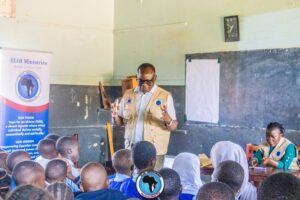
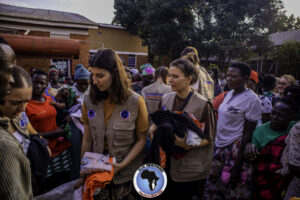
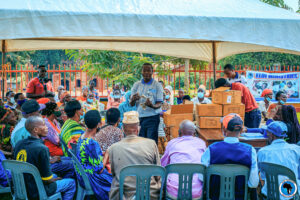
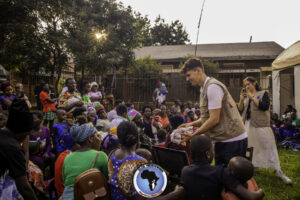
ELOIM’s Prevention Strategy We are in “Emergency Health Mode.”
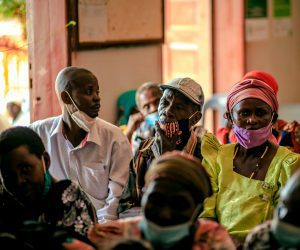
- Masks are Back: We are encouraging children (especially those on boda bodas) to wear masks, not for COVID, but for dust.
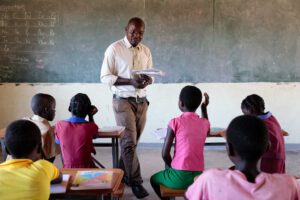
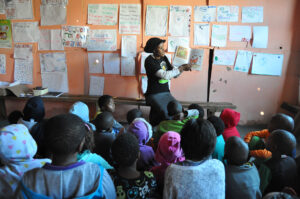
- “Wet the Compound”: We teach schools to sprinkle water on the dirt floors of classrooms to keep the dust down.
- Eye Care: We are distributing simple saline eye drops to treat the early signs of infection before they become blinding.
Conclusion: Waiting for the Rain We are praying for the March rains. But until they come, we must protect the bodies of our children. Health is not just medicine; it is environment. This week, we are fighting the dust to save the breath of the next generation.