In many parts of the world, HIV/AIDS is treated purely as a medical condition. But in the communities we serve in Uganda, we know it is far more than that. It is a social challenge, an economic burden, and deeply emotional reality that affects men, women, and children alike. While prevalence rates have stabilized in some areas, the battle is far from over, and the weapon we must use now is community connection.
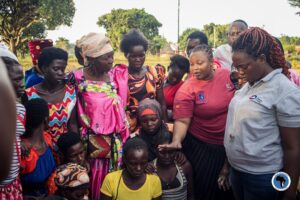
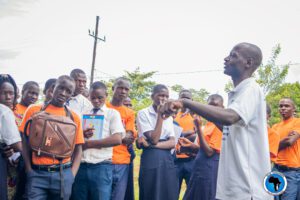
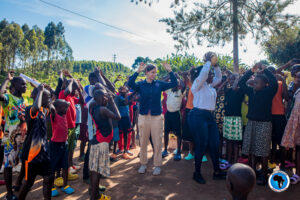
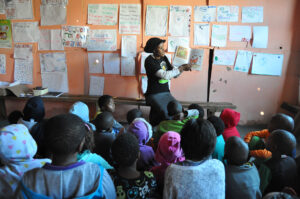
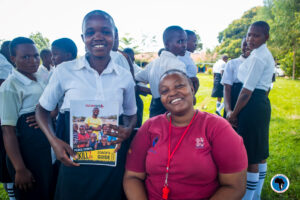
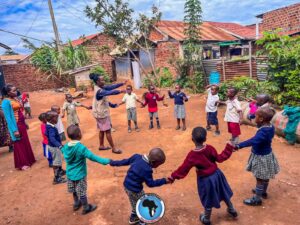
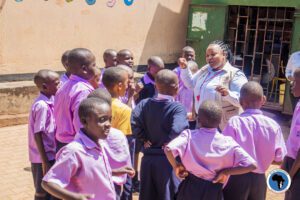
The Hidden Epidemic: Stigma The virus itself is dangerous, but the silence surrounding it can be deadly. Stigma often prevents individuals from seeking testing or adhering to their medication regimens. A mother might fear being ostracized by her neighbors; a young man might fear losing employment. At ELOIM, our approach goes beyond distributing medication. We work to dismantle the fear that fuels the virus. Through our community outreach programs, we create safe spaces for dialogue. We emphasize that HIV is manageable and that a diagnosis is not a death sentence.
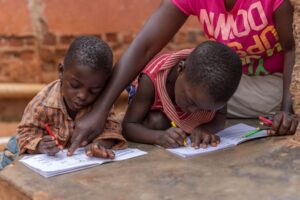
Supporting the “Affected,” Not Just the “Infected” When a parent falls ill, the entire family structure shakes. Children may be pulled out of school to become caregivers or to work in the fields to replace lost income. This is where our holistic model steps in.
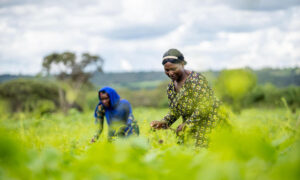
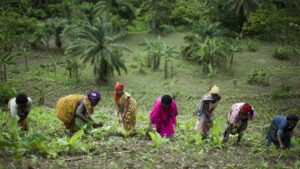
- Nutritional Support: Anti-retroviral therapy (ART) requires good nutrition to be effective. We educate families on growing nutrient-rich foods to support immune systems.
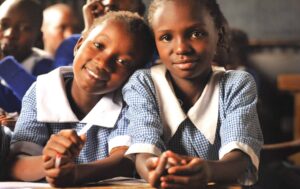
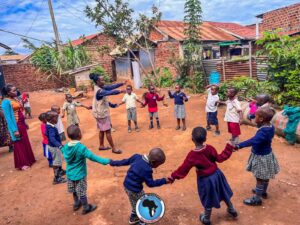
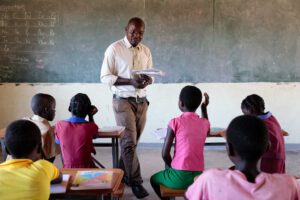
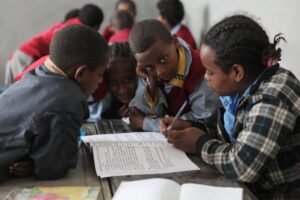
- School Retention: By identifying families struggling with HIV-related poverty, we can prioritize their children for our sponsorship programs, ensuring the disease does not steal the next generation’s future.
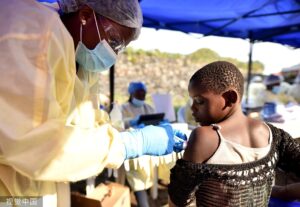
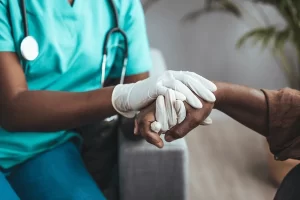
A Future Free of Fear Our partnership with healthcare providers allows us to facilitate access to quality medical care, but our heart remains with the people. We are committed to a Uganda where no one has to face this illness alone, and where compassion is the first treatment prescribed.