
Introduction: The Myth of the “Unbankable” Woman In the formal banking sector of 2026, a rural woman in Nakaseke with no land title, no collateral, and no formal employment is considered “high risk.” She is invisible to the big banks in Kampala. She cannot get a loan to start a business, pay for emergency medicine, or fix her roof. But at ELOIM, we know that these women are not “high risk”—they are the most disciplined financial managers in the country. They stretch every shilling to feed families and educate children. They don’t need charity; they need capital.
This week, we are highlighting the quiet revolution of Village Savings and Loan Associations (VSLAs)—or as the women call it, “Table Banking.”
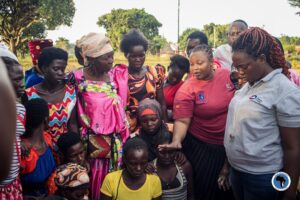
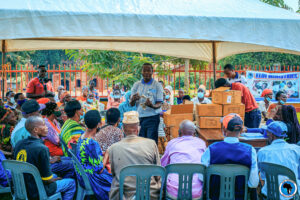
How It Works: The Power of the Circle The concept is simple but transformative. We organize women into groups of 20 to 30. They meet weekly, not in a fancy office, but under a tree or in a member’s home.
- The Savings: Each woman contributes a small, agreed-upon amount of money every week. It might be as little as 2,000 UGX.
- The Lending: This pooled money immediately becomes a “loan fund.” Members can request small interest-bearing loans from the pot for specific purposes—buying seeds, stocking a stall with silver fish, or paying school fees.
- The Social Fund: A separate, smaller contribution is made to a “welfare fund” to help members during emergencies (sickness, funerals), creating a localized insurance policy.
Why This Matters in 2026 As the cost of living rises in Uganda, relying solely on subsistence farming is no longer enough. Families need a “side hustle”—a second stream of income. ELOI Ministries facilitates these groups not just by forming them, but by providing the Financial Literacy Training that makes them stick. We teach:
- Record Keeping: How to track profits and losses, ensuring the business is actually making money.
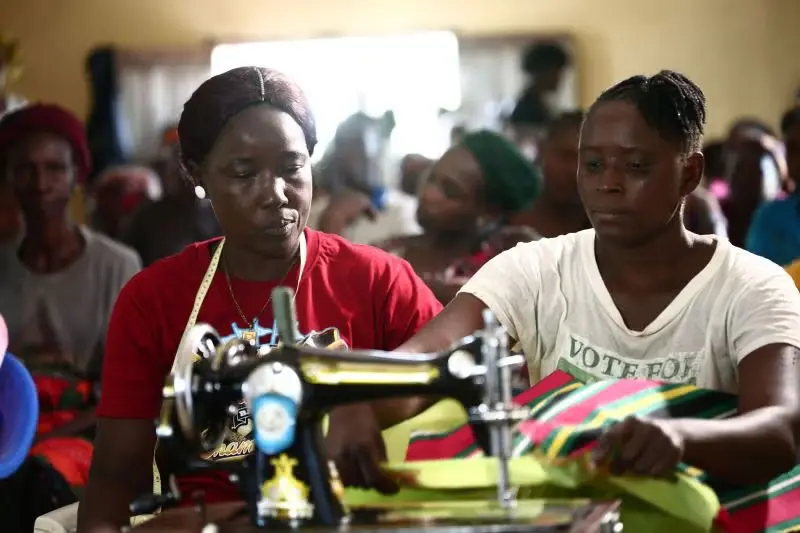
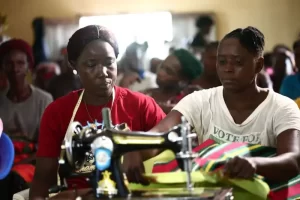
- Investment Strategy: Encouraging women to invest loans in income-generating assets (like a goat or a sewing machine) rather than consumption.
Success Stories: From Survival to Stability We have seen incredible transformation through this model. We see mothers who used their first loan to buy a batch of second-hand clothes to sell at the market. With the profit, they paid back the loan and bought two batches. Six months later, they are paying their own children’s school fees without waiting for a husband’s help or an NGO handout. This is the definition of sustainable development. When a woman controls her own money, studies show she reinvests 90% of it back into her family.
Conclusion: Investing in the Pillar The woman is the pillar of the Ugandan home. When you strengthen the pillar, the whole house stands firm. By supporting ELOIM’s empowerment programs, you aren’t just giving money; you are helping build a financial system that is owned, managed, and grown by the community itself. We are proving that you don’t need a skyscraper to have a bank; you just need trust, a wooden table, and a group of determined women.









2 Responses
It’s impressive what people can put together to empower marginalized communities. This was a fun read, looking forward to more
I loved this read!