
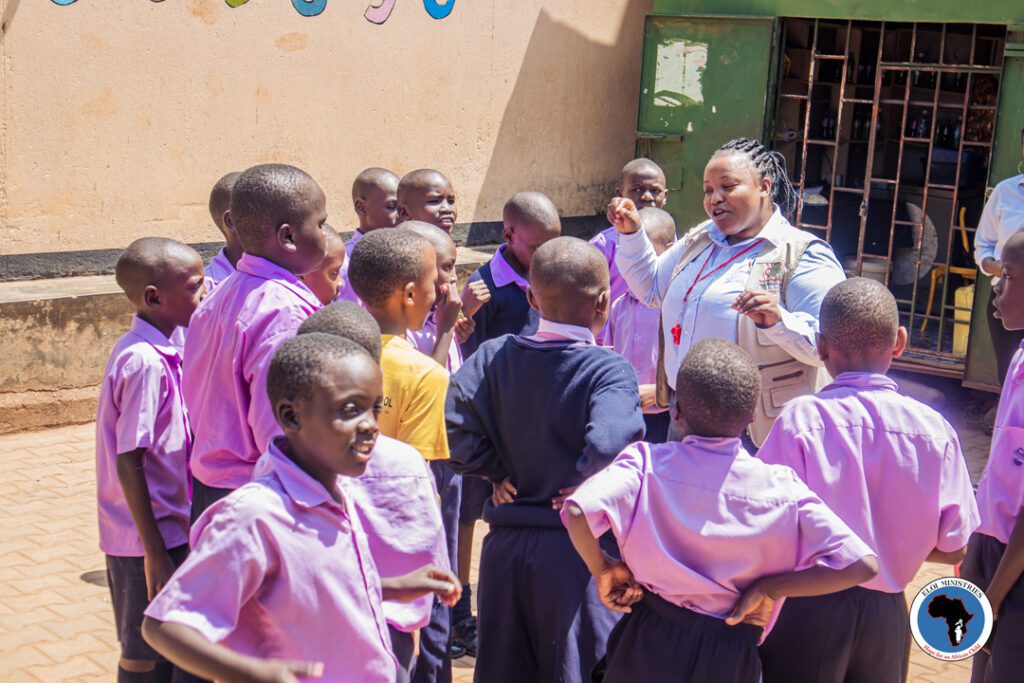
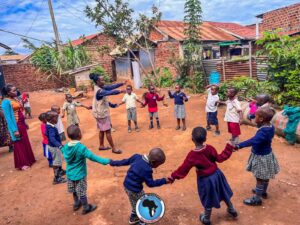
Introduction: The Ball Made of Banana Fibers Drive through any village in Nakaseke or Jinja on a Sunday evening, and you will see it. A group of barefoot children running on a dusty patch of earth, chasing a ball. Sometimes it is a real leather ball, worn smooth by years of use. More often, it is a bundle of tightly wrapped banana fibers (byai) or old plastic bags tied with string.
To the casual observer, this looks like simple recreation. Just kids being kids. But at ELOIM, we see something far more profound happening on that dusty field. We see Trauma Healing. We see Conflict Resolution. We see the birth of Leaders.
In 2026, as we face rising rates of youth anxiety and the lingering social fractures of poverty, we are elevating Sports for Development from a “nice-to-have” extracurricular to a core strategy in our child protection and mental health toolkit.
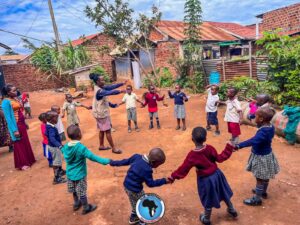
The “Play Deficit” in Traumatized Children Many of the 500+ children we sponsor come from backgrounds of profound loss. Some have lost parents to HIV/AIDS. Others have witnessed domestic violence or endured the crushing stress of food insecurity. Psychologists tell us that trauma “freezes” a child. It locks them in a state of hyper-vigilance—always watching for danger, never fully relaxing. Play is the antidote.
- Biological Reset: When a child runs, laughs, and screams during a football match, their brain releases endorphins that counteract the stress hormone cortisol. It is a biological “reset” button for a nervous system stuck in survival mode.
- The Safe Failure: In class, failing a test has consequences. In a game, missing a goal is just part of the flow. Sports teach children that failure is not fatal. It teaches resilience—getting back up after a tackle—which is the most important life skill for a child born into poverty.
The Coach as the Father Figure In our earlier blog, we discussed the “Boy Child” crisis and the lack of male role models. The sports field is often the only place where this gap is bridged. Our volunteer coaches are not just teaching tactics; they are teaching Life.
- Discipline & Timekeeping: For a youth who has dropped out of school, the football team provides a new structure. “Training starts at 4:00 PM” means 4:00 PM. This discipline translates back into their vocational training or eventual employment.
- Non-Violent Conflict Resolution: In a game, tempers flare. You get fouled. You get angry. The coach teaches the player to channel that aggression into the game, rather than throwing a punch. In communities prone to idleness and petty crime, this emotional regulation is a lifesaver.
Talent as a Pathway We must also be realistic about opportunity. Uganda is a sporting nation. From athletics to football to netball, our youth have immense raw talent that often goes undiscovered because no one is watching. ELOIM’s sports programs act as a Talent Incubator.
- Scholarships: In Uganda, sporting talent is a legitimate currency. Secondary schools often offer bursaries (scholarships) to gifted players. We have seen children whose parents could never afford fees get a full education simply because they were the best goalkeeper in the district.
- The Dream: While not every child will become a professional, the hope of doing so is a powerful motivator. It keeps them away from drugs (
kuberand alcohol) and focused on their physical health.
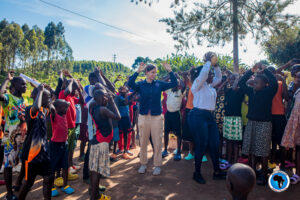
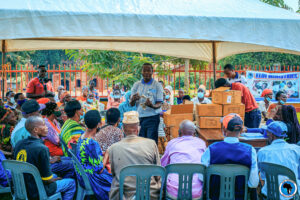
Bridging the Community Divide Sports is the only language that everyone speaks. In the villages we serve, there can be subtle divisions—religious differences, tribal tensions, or the stigma between the “poor” and the “very poor.” On the field, those labels vanish. You pass the ball to the person wearing the same jersey, regardless of who their grandmother is. Our tournaments bring the whole village out. The Jjajjas come to cheer. The local leaders come to watch. It creates a sense of Community Pride that is essential for development.
Conclusion: Investing in Joy Poverty steals many things, but the cruelest thing it steals is childhood. It forces children to worry like adults. When we hand a child a jersey and a ball, we are giving them permission to be children again. We are investing in their joy. In 2026, do not underestimate the power of the game. A healthy body houses a healthy mind. And a child who knows how to play on a team is a child who knows how to build a community.






One Response
Thank you for sharing!