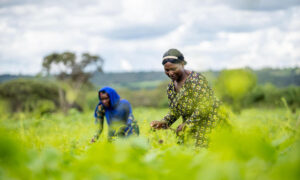

Introduction: The Orange Haze January and February in Uganda are characterized by the Musana—the fierce sun. The dirt roads turn to powder. The wind whips up orange dust that coats everything: the trees, the roofs, and the lungs of our children. While we often worry about malaria in the wet season, the dry season brings its own silent killers: Respiratory Infections and Water Scarcity Diseases.
This week, our Health Team is pivoting its focus to address the specific risks of this climatic window.
The Respiratory Crisis In the rural homes we serve, the dry season creates a “double smoke” effect.
- External Dust: Children walking to school or playing outside are inhaling high levels of particulate matter.
- Internal Smoke: With the heat, families cook indoors or in poorly ventilated kitchens using firewood. This combination leads to a spike in Acute Respiratory Infections (ARIs), particularly pneumonia and severe coughs among the under-5s.
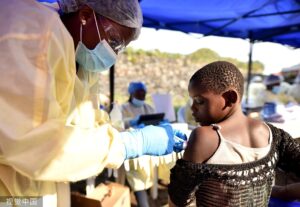
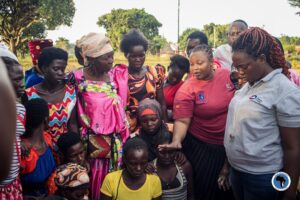
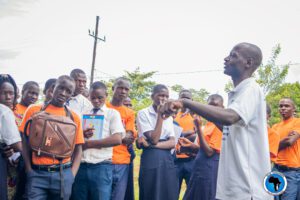
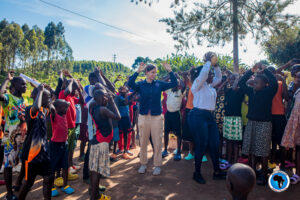
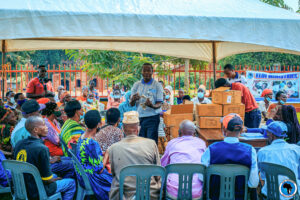
- ELOIM’s Response: Our community volunteers are conducting door-to-door education on “kitchen hygiene”—improving ventilation and keeping young children away from the cooking fire. We are also stocking simple cough syrups and antibiotics in our outreach kits for rapid treatment.
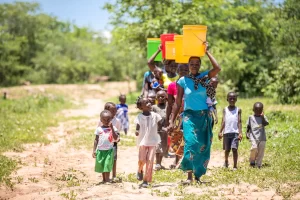
The Water-Squeeze As the shallow wells dry up, the queue at the borehole gets longer.
- The Hygiene Trade-off: When water is scarce, families prioritize cooking and drinking over washing. Handwashing rates drop. Bathing becomes infrequent.
- The Consequence: We see a rise in skin infections (scabies, fungal infections) and typhoid (from drinking unsafe dregs of water).
Building Resilience: The Jerrycan Protocol We are teaching our sponsored families “Water Management” strategies for the lean months.
- safe Storage: Ensuring that the precious water fetched is stored in covered, clean jerrycans to prevent re-contamination.
- Boiling is Non-Negotiable: Even if charcoal is expensive, we emphasize that drinking unboiled water during the dry season is a gamble with life.
- The Solar Solution: We are experimenting with simple solar water disinfection (SODIS) methods where appropriate—using the intense sun to kill bacteria in clear plastic bottles.
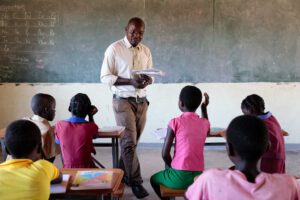
Conclusion: Surviving Until the Rains Climate change has made the dry season longer and more unpredictable. We cannot just wait for the rain. By addressing respiratory health and water rationing now, we ensure that when the school term starts, our children are not lying on a sickbed, but sitting at a desk. This is the unglamorous, dusty work of preventive health.