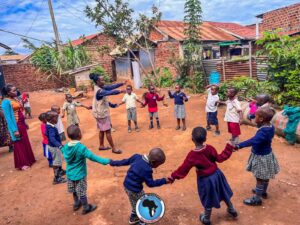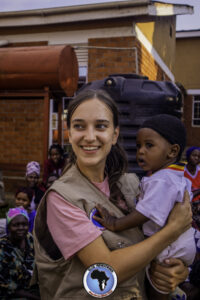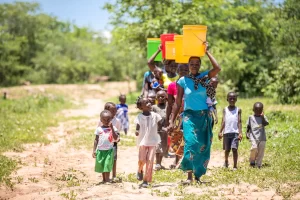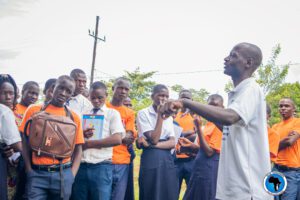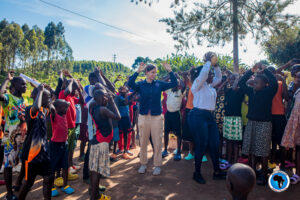
“A child is a person under the age of 18.” This legal definition sounds simple, but in the complex reality of rural Uganda, ensuring the safety of that child requires a vigilant and dedicated village. Child protection is not a passive concept at ELOIM; it is an active, daily pursuit that forms the bedrock of our ministry.
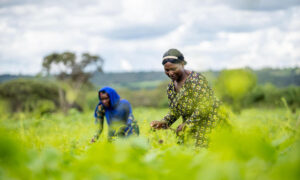
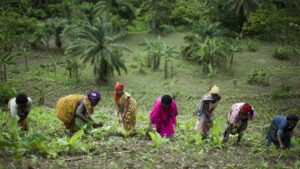
The Vulnerability Gap Children in poverty are inherently vulnerable. They are at higher risk for child labor, early marriage, neglect, and abuse. In many of the districts where we operate, familial structures have been strained by disease and economic hardship, leaving children without traditional safety nets. We believe that every child has the right to be protected from all forms of harm—physical, emotional, and psychological. This is not just a nice idea; it is a mandate.
How We Build a Protective Environment Our Child Protection strategy is woven into every single one of our projects, from education to health:
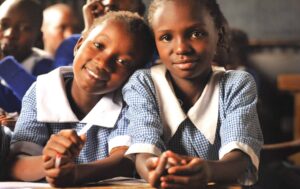
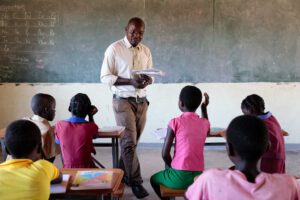
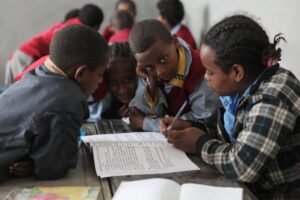
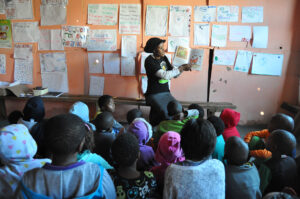
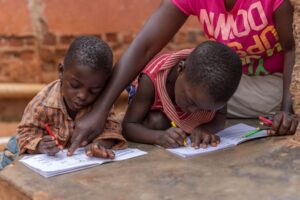
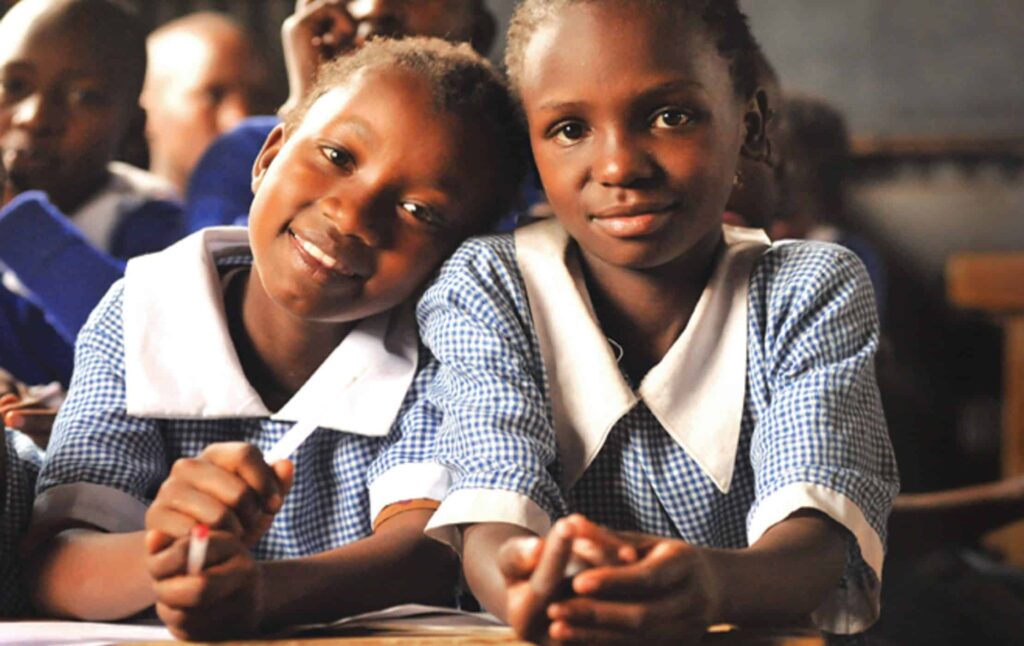
- Education as Protection: The safest place for a child during the day is in a classroom. By sponsoring over 500 children to attend school, we are physically removing them from environments where they might be exploited.
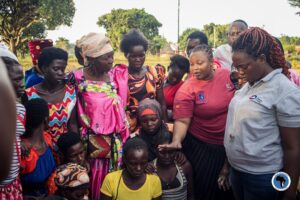
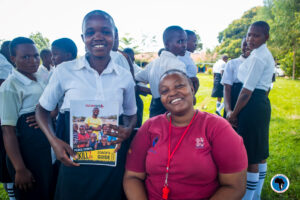
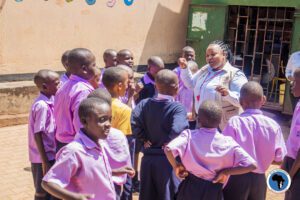
- Community Watch: We work with local leaders and parents to recognize the signs of abuse and neglect. We empower the community to report issues without fear of retribution.
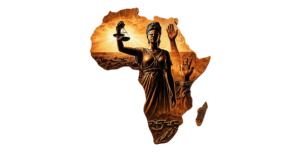
- Advocacy: ELOIM advocates for the rights of the African child. We work to ensure that local authorities enforce existing laws designed to protect minors.
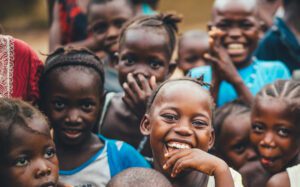
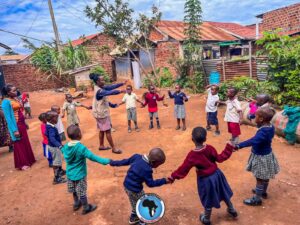
Grooming the Future Founder Tendo Steven’s vision was to transform the lives of orphans and destitute children, not just by feeding them, but by “grooming” them. This means instilling self-worth. When a child knows their rights and knows they are valued by God and their community, they become their own strongest advocate. We are building a generation that knows they are safe, loved, and protected.